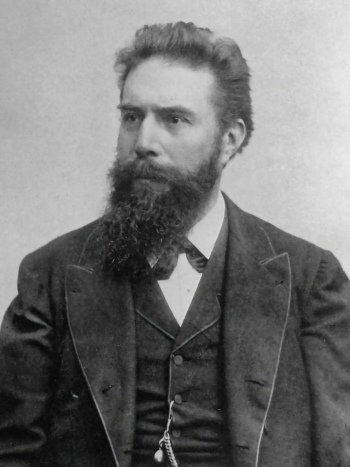
Wilhelm Conrad Röntgen

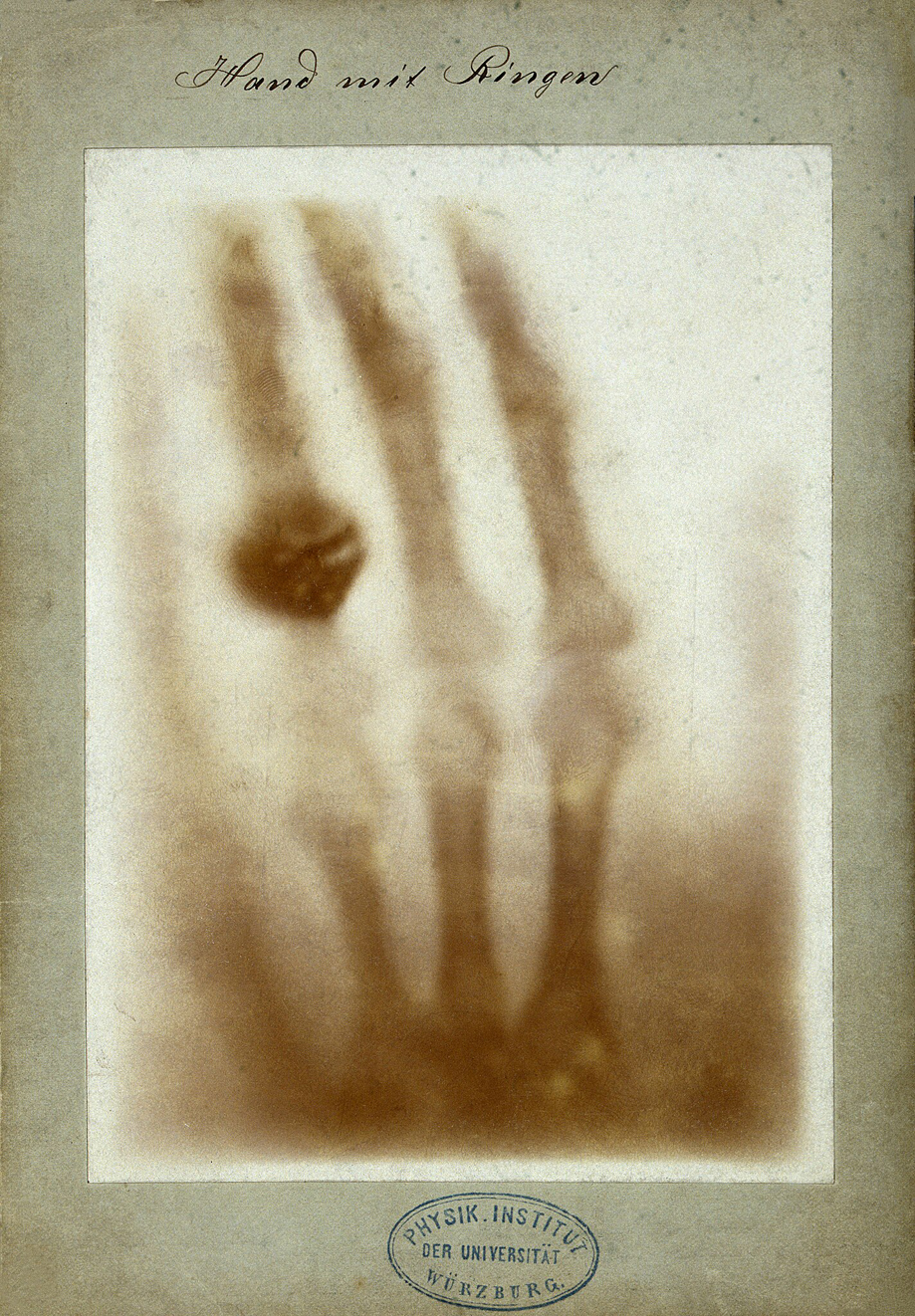
On 8 November 1895, the physics professor Wilhelm Conrad Röntgen made a historic discovery – largely by chance. While experimenting in his laboratory at the University of Würzburg with high electrical charges in a glass cathode-ray tube, he observed a previously unknown form of radiation. The rays, which Röntgen called “X-rays”, had the remarkable ability to penetrate matter, making it possible to look inside the human body without any physical intrusion – this was nothing short of a sensation.