

RÉMY MARKOWITSCH. WE ALL [Except the Others]
The multimedia installation of Rémy Markowitsch
Contamination of nature and culture, forced labor then and now, Hermann Röchling and his legacy: Swiss artist Rémy Markowitsch's multimedia installation WE ALL (Except the Others) in the historic suspension railway workshop illuminates and condenses central themes and significant places in the history of the Völklingen Ironworks.
A Conférencière and numerous other protagonists lead us from the Hermann and Dorothea slag heaps with the smelter's overburden to today's parking lot and the benzene houses, once the site of the highly polluting coal-value operations, to the apotheosis of the Röchling family in the expansive ceiling painting of the Völklingen Church of Reconciliation. At the site of the repair, the suspension railway workshop, the circles close both literally and figuratively.
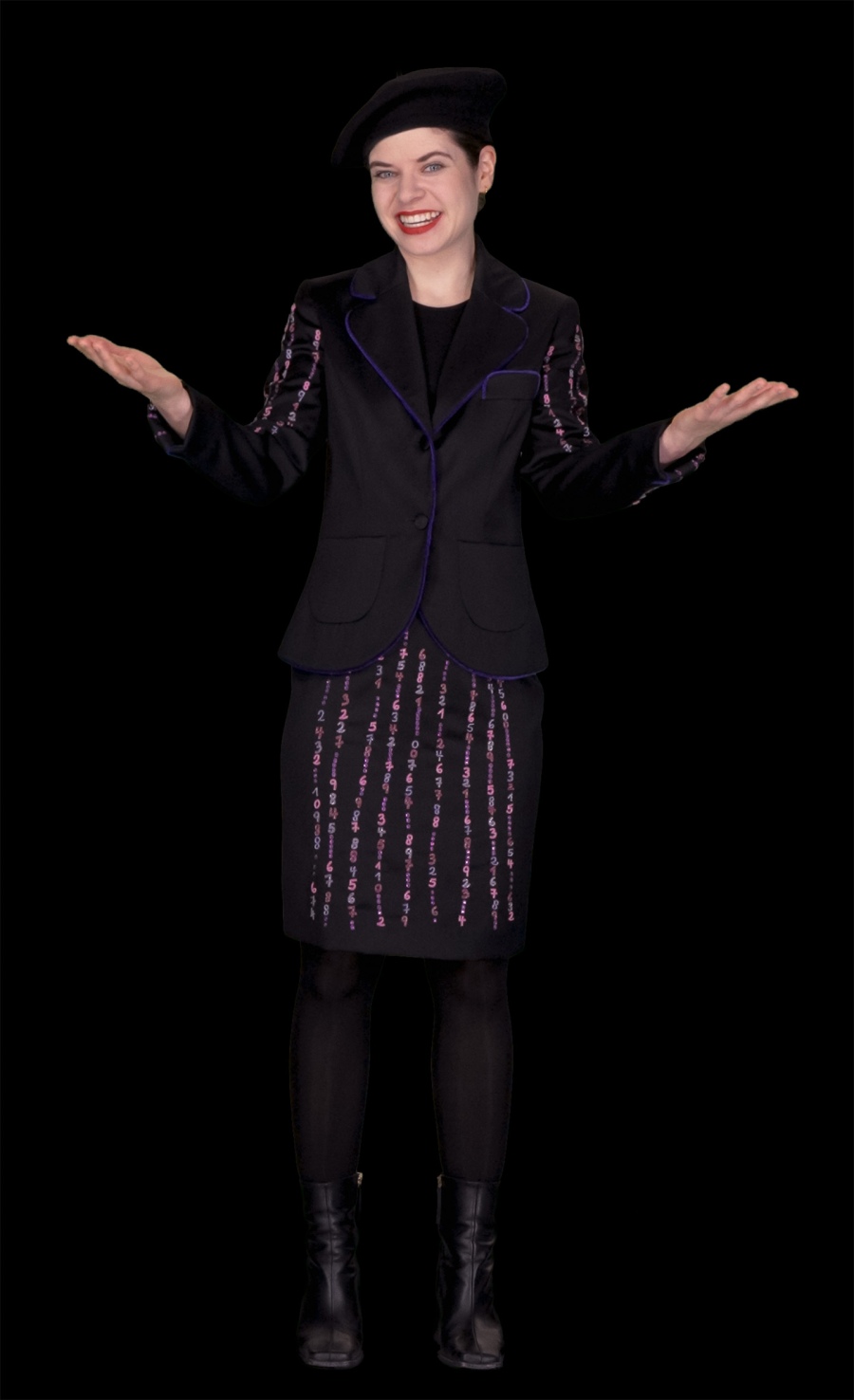
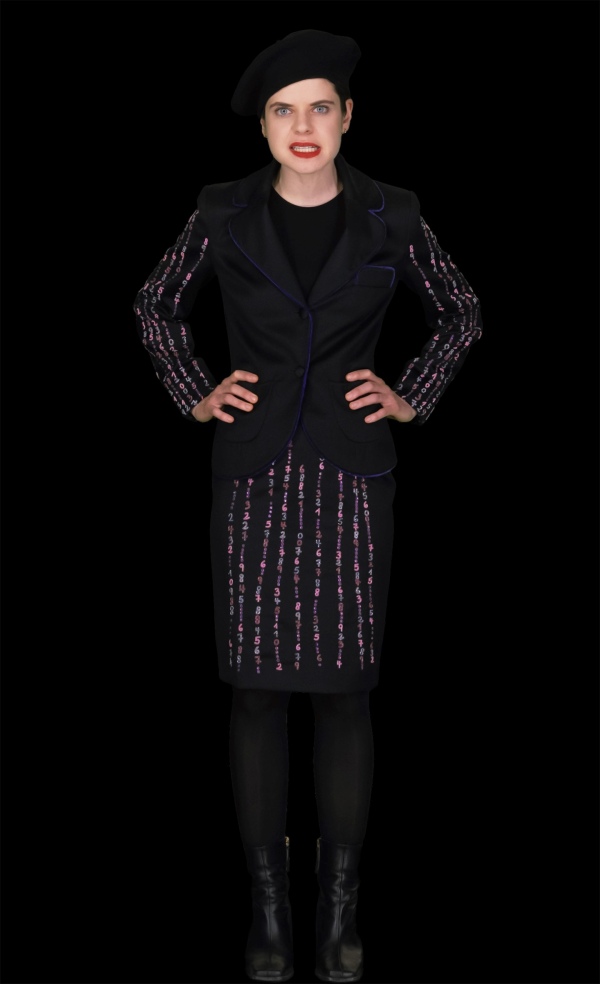
"After MOTION POWERS HISTORY now follows the second milestone of the examination of the history of our place in the anniversary year 150 YEARS OF VÖLKLINGER HÜTTE. With WE ALL (Except the Others), Rémy Markowitsch directs his genuinely artistic gaze at the history and themes of our exemplary setting and contributes with creative exaggeration to a deeper understanding of the ups and downs of the former ironworks," says Dr. Ralf Beil, curator of the exhibition and General Director of the Völklingen Ironworks World Cultural Heritage Site.
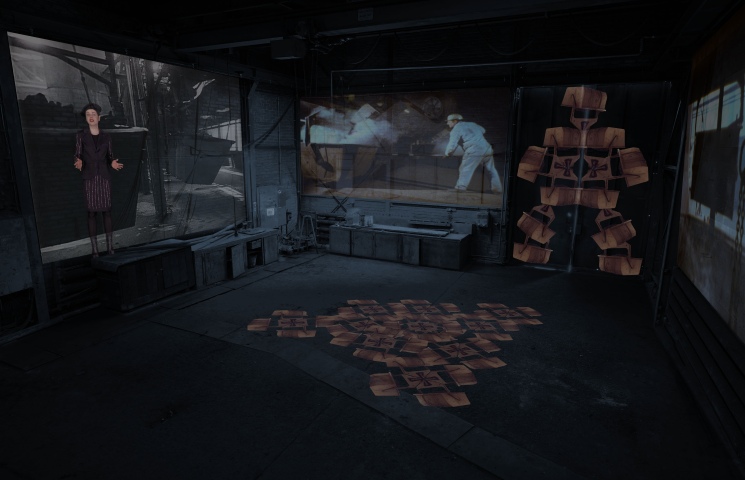
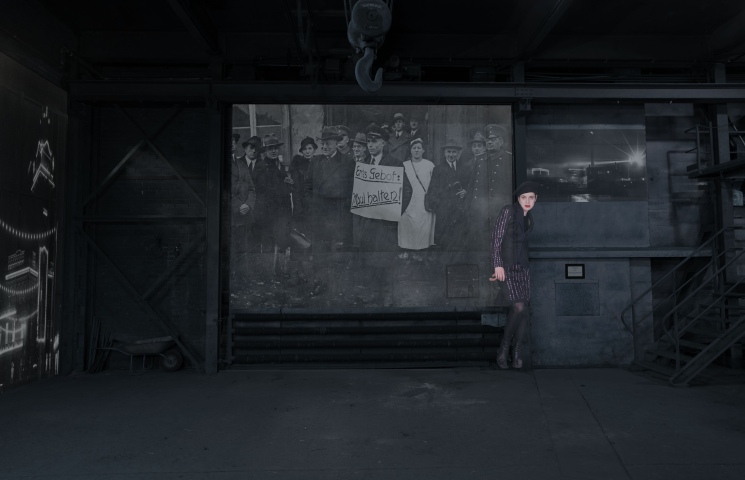
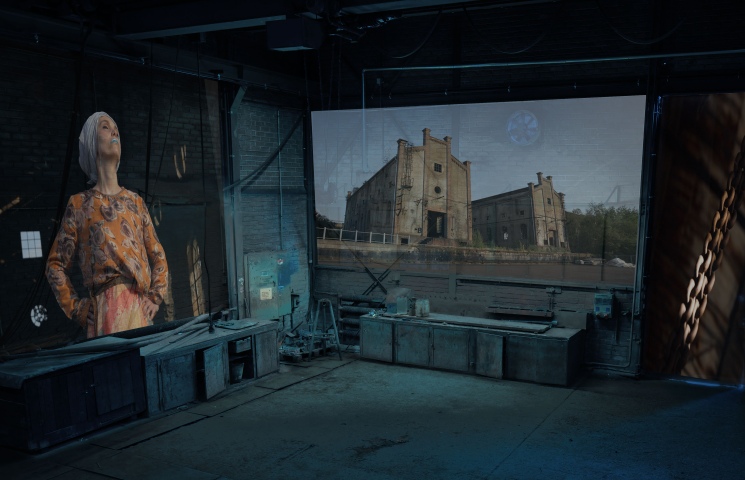
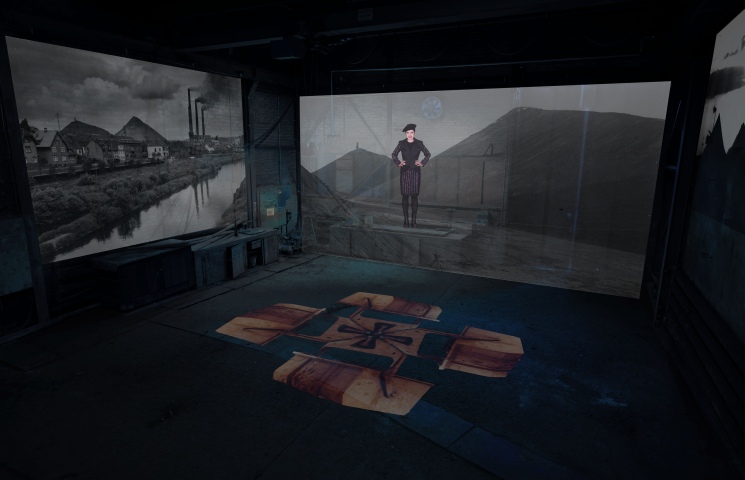
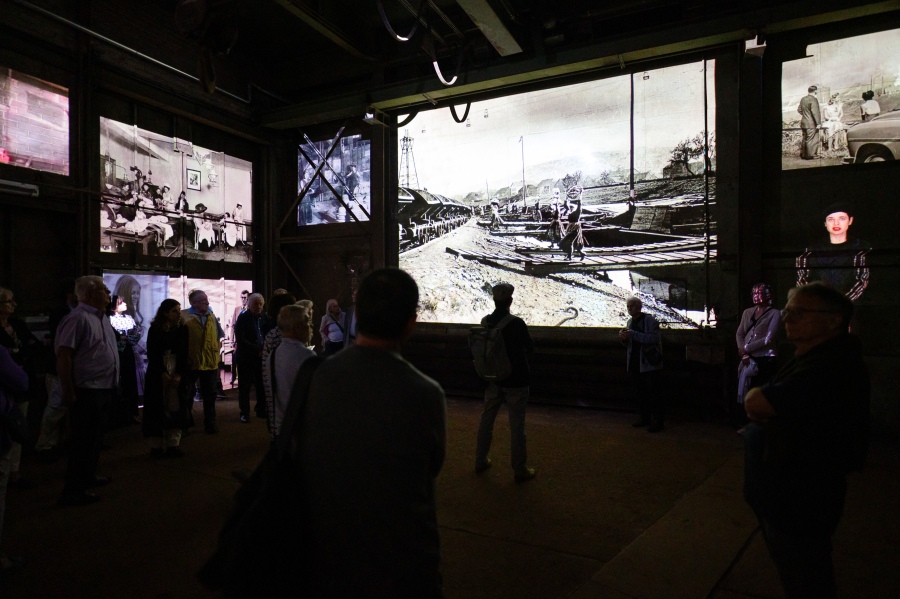
In a large-scale audiovisual collage, texts, archival film and photographic footage, and audio recordings from the history of the Saarland, Völklingen and the Völklingen Ironworks are interwoven with dialogues by the actors Laura Trapp (Dorothea) and Benjamin Kelm (Hermann), Gina Markowitsch (Conférencière) and Magali Helene Vogel (Benzol Spirit). For the first time, filming took place on the Völklingen conical slag heaps. There are also video recordings in the car park of the World Heritage Site and in front of the benzene houses, a motorbike ride through Völklingen accompanied by a song version of ‘Moorsoldaten’ by Taranja Wu, right up to the Church of Reconciliation, including its ceiling paintings, as well as choral recordings with Rainer Oster and the ‘Moorsoldatinnen’ at the same location.
The installation’s numerous film screenings, the ‘Hermann & Dorothea’ mountain dialogue featuring AI-animated portraits, narrated by Barbara Scheck and Peter Tiefenbrunner, a sound installation featuring the voice of Marie Bonnet and a text by Elfriede Jelinek in the locker room, and interviews with contemporary witnesses – all come together in the historic setting of the suspension railway workshop, which is being opened to visitors for the first time, to form an impressive, walk-through total work of art about the Völklinger Hütte and the world around it.
Components of the installation
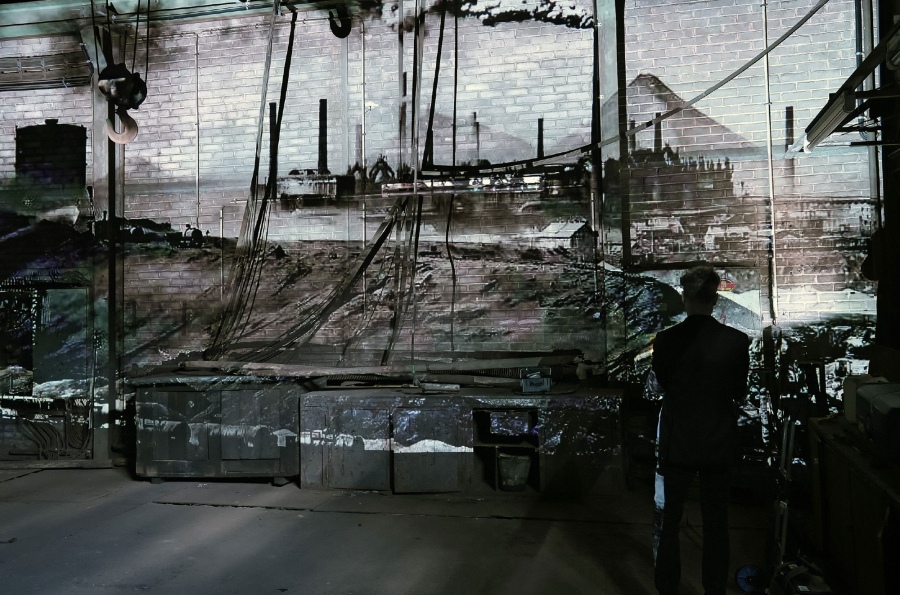
Video installation, approx. 80 minutes, comprising five projections in the front workshop area on three walls, as well as on the floor and ceiling, featuring the dialogue ‘Hermann & Dorothea’ on two monitors, and the sound installation ‘Claudia’ – a ‘locker monologue’ in the side room with a collage of historical magazines and interviews with contemporary witnesses – in the workshop’s former control room.
A work by Rémy Markowitsch
Curator Dr. Ralf Beil, Director-General of the Völklinger Hütte World Cultural Heritage Site
CAST
Marie Bonnet (voice for Claudia’s locker monologue)
Benjamin Kelm (Hermann)
Gina Markowitsch (Conférencière)
Barbara Scheck (voice for Dorothea, the mountain spirit)
Peter Tiefenbrunner (voice of Berg Hermann)
Laura Trapp (Dorothea)
Magali Helene Vogel (Benzolspirit)
MUSIC
Taranja Wu (song version of ‘Moorsoldaten’ and soundscape)
www.taranjawu.com
Choral piece ‘Die Moorsoldatinnen’
(Völklingen Church of Reconciliation)
Rainer Oster (organ and choir director)
Choir
Yuliia Andriichuk, Sophia Buhl, Monika Deligiannaki, María Sól Ingolfsdottír, Paula Marie Jorks, Eunbi Lee, Daphné Macary, Anna Major, Seung A Ryu
Audio recording & editing: Thomas Becher
Lyrics: Joey Heymann
Image description: Franziska Wilmsen
TEAM
Co-director, script, acting coach:
Joey Heymann (Zimmermann), Berlin & Rheinfelden
Script collaboration: Elina Finkel, Berlin
Script editing: Dr Franziska Wilmsen, Düsseldorf-Lippstadt
Artistic consultancy, production, editing & post-production:
Sebastian Fischer, Leipzig
Camera, animation & editing (interviews):
Stephan Wicki, Zurich, wickifilm.ch
Audio recording & editing: Nemo Hill, Berlin
AI animation: Suhail Mirza, India
Drone and action camera, mountains, car park and motorbike:
Markus Trennhäuser, InPuls Productions, Saarlouis
Motorbike: Sven Peters, Saarbrücken
Costumes: Maya Roos, Berlin & Lucerne
Catering: Marie Götze, Saarbrücken
TEAM WORLD HERITAGE SITE VÖLKLINGER HÜTTE
Project Manager: Frank Krämer
Footage Management: Daniel Bauer
Content Support: Hendrik Kersten