Sintering plant

Sintering plant 

Year of construction: 1928, added to in 1938
In operation: 58 years until the works were shut down

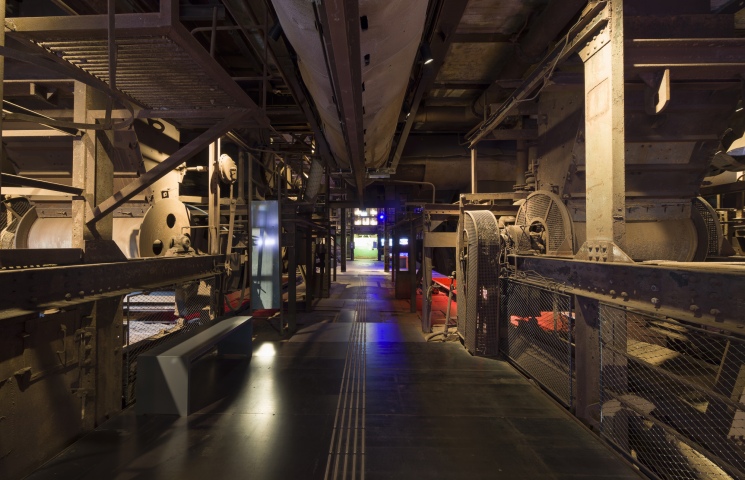
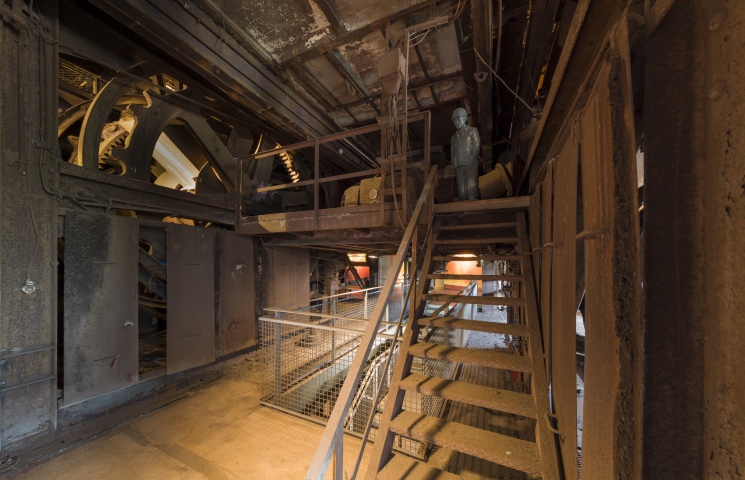
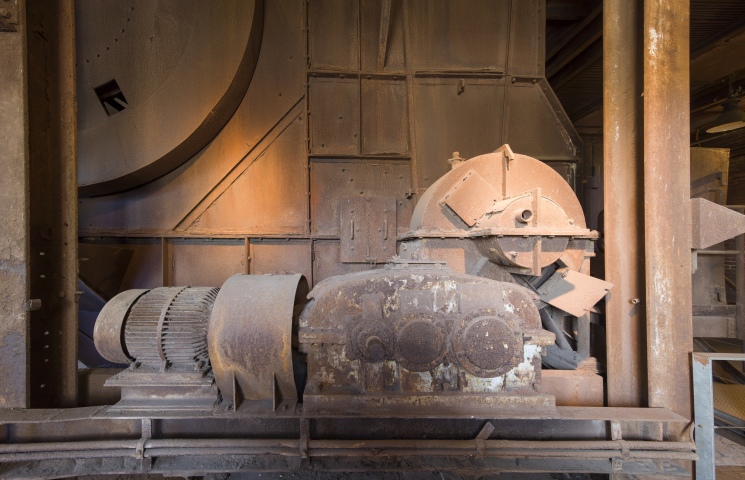
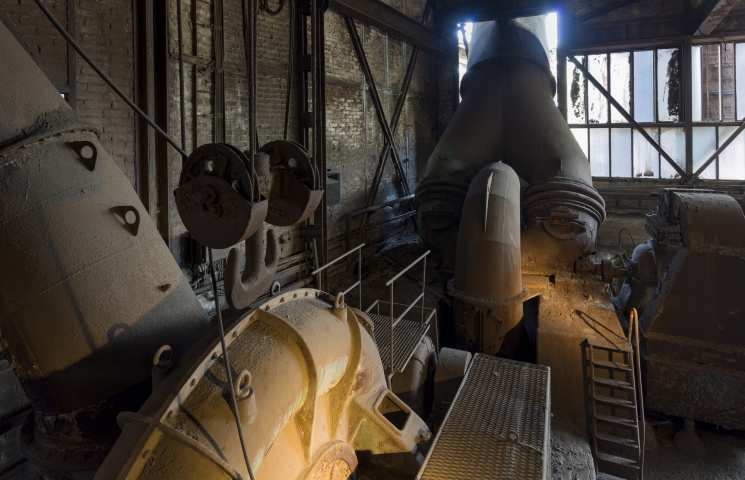
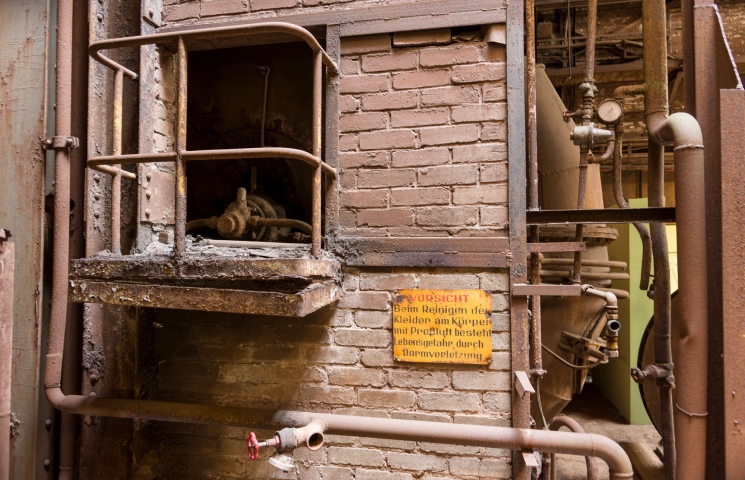
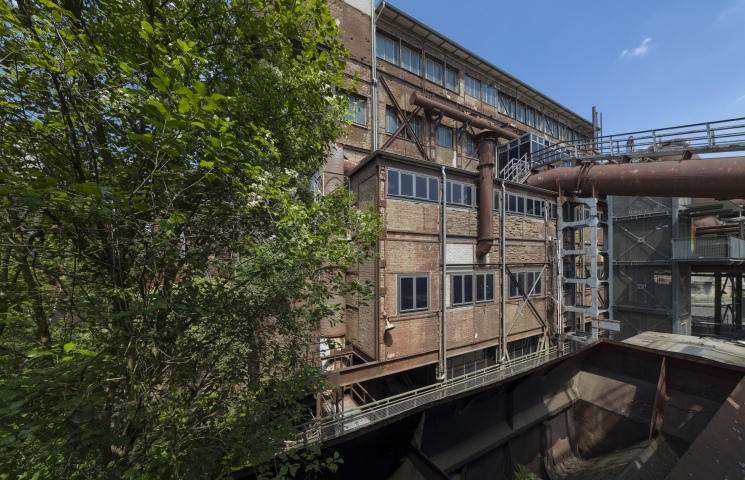
One of the largest sinter plants in Europe was built in Völklingen in 1928. Sintering is a high-temperature process that is used to fuse together the ore dust that is produced when iron ore is crushed for use in a blast furnace. This was done by heating it up to melting temperature. The material was then broken into pieces about the size of a fist, cooled, and reused in the blast furnace. This reduced the consumption of raw materials and improved the quality of the pig iron.
Iron ore sintering

Untertitel | Subtitles | Sous-titres | via Button CC

The plant was built by LURGI AG of Frankfurt, and operated in the American Dwight Lloyd process. In the 1930s, the sinter plant at Völklingen was one of the most productive in the world with a monthly output of 55,000 tons of sinter.

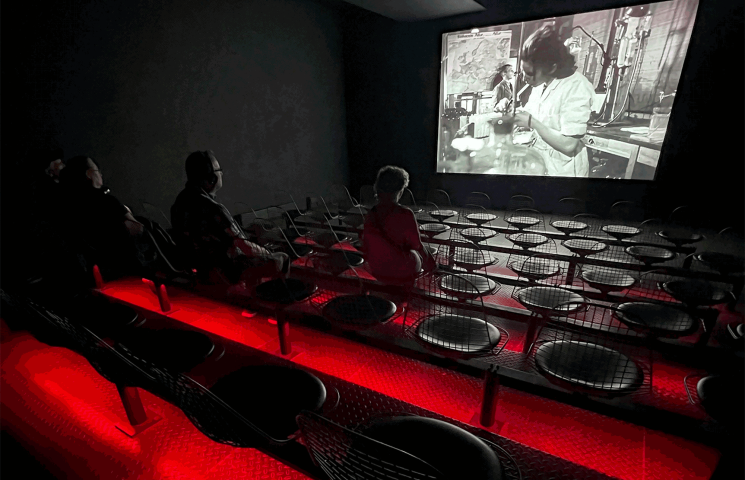
The sintering plant houses a cinema, which complements the overview film from 'Movement Makes History' with a selection of historical film material from 1925 to 1986, vividly depicting the working world of the Völklingen Ironworks. The collection includes the oldest known film recordings, a US travel film made shortly after the Saar referendum in 1935, a film produced by the Röchling Group itself, and contributions from Danish and regional television, as well as images taken shortly before the closure of the pig iron production facility.
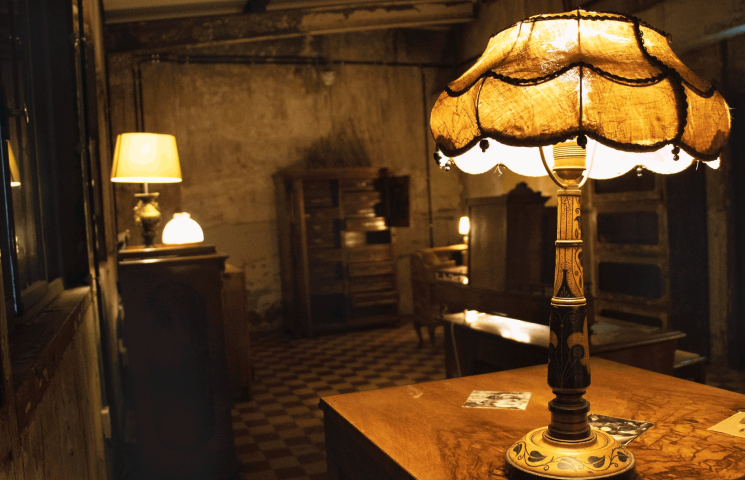
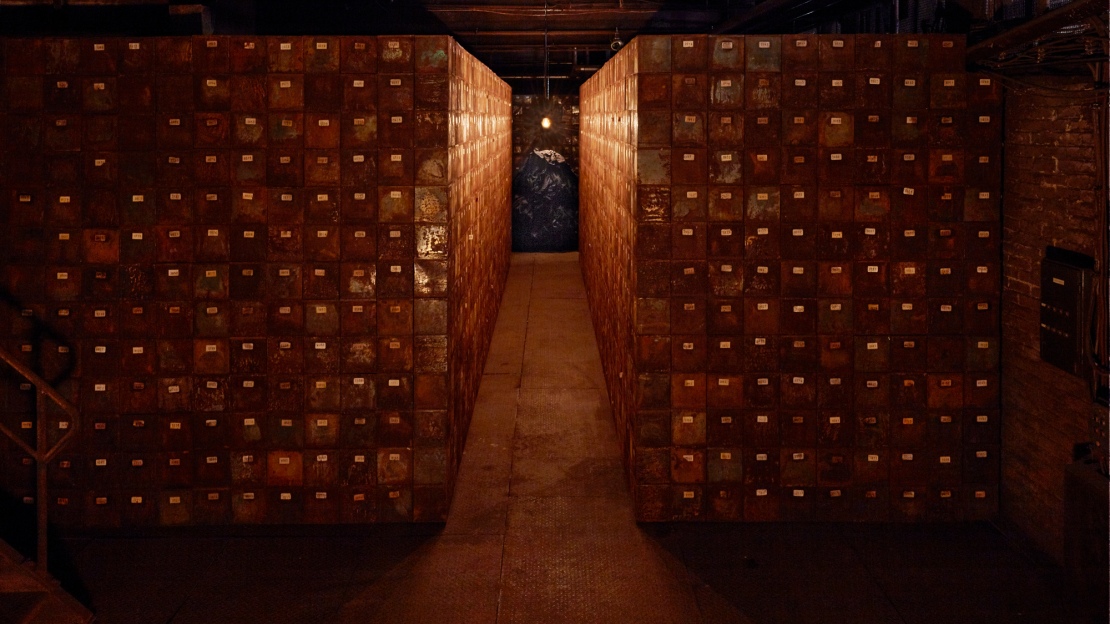
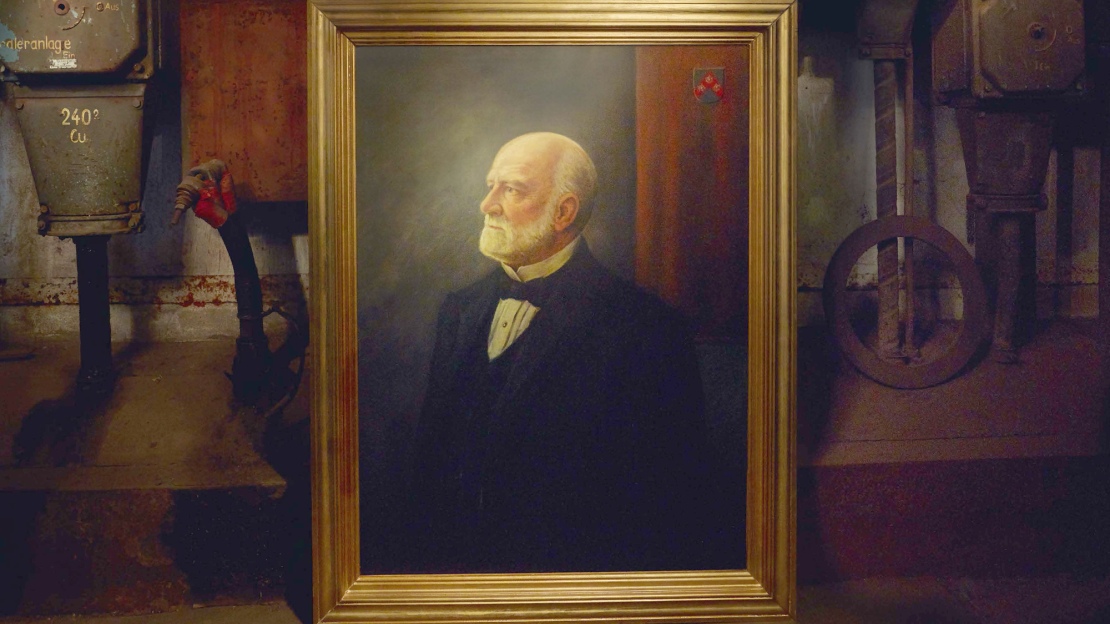
The middle floor houses the large installation by Christian Boltanski entitled "Forced Labourers – Memorial at Völklinger Hütte".  The World Heritage Site Völklingen Ironworks has set up the permanent exhibition on the history of the Röchling family on the ground floor.