HEART OF STEEL - Germany and Europe seen through the burning glass of Völklingen Ironworks
The history of the Völklingen Ironworks is emblematic of the history of Germany and Europe. The 19th and 20th centuries, in a sense, speak for themselves through the specific events that took place in and around the ironworks. It is all the more surprising, then, that no coherent exhibition on this subject has been organised to date. This is now being undertaken comprehensively for the first time.

The exhibition traces a journey from 1830 to the near future, highlighting significant milestones such as the gruelling labour of the women known as the ‘Archangels’ around 1900, or the severe environmental pollution caused by the Völklinger Hütte: in the post-war period, in particular, the ever-present red sinter dust and the resulting ‘sinter sun’. The exhibition explores the reality and the consequences of the ironworks for people, animals and the environment.
There could be no more fitting venue for this exhibition than the space between the huge flywheels of the Blower Hall, which have driven the history of Germany and Europe in all its light and shade. With this exhibition, the venue for temporary exhibitions within the World Heritage Site is, in a sense, rediscovering its true identity.

The prologue to the exhibition focuses on early capitalism, humanity’s domination of the earth, and the origins of what would later become the ironworks – in 1822, Friedrich Ludwig Röchling founded a coal trading business and became the progenitor of the Röchling entrepreneurial dynasty. A few years later, in 1830, Johann Wolfgang von Goethe gave shape to the archetype of the paternalistic capitalist in ‘Faust II’: ‘The master’s word alone carries weight, / Rise from your beds, ye servants! Man by man! /… That the greatest work may be completed, / One spirit suffices for a thousand hands.’
This is the idealised image of paternalistic entrepreneurship: a manor house, a smelting works and graceful elegance united in a prestigious oil painting of the Stumm family, the Röchlings’ rivals in the Saarland iron and steel industry.
Key historical and social themes in Germany and Europe are reflected in the microcosm of the Völklinger Hütte: from early industrialisation and waves of economic innovation, through the two world wars, steel helmet and weapons production, and widespread forced labour, to the Montanunion, the post-war ‘economic miracle’, the structural crisis in heavy industry, and the transition to a service, knowledge and leisure-based society – a transition for which this World Heritage Site also stands as a prime example.
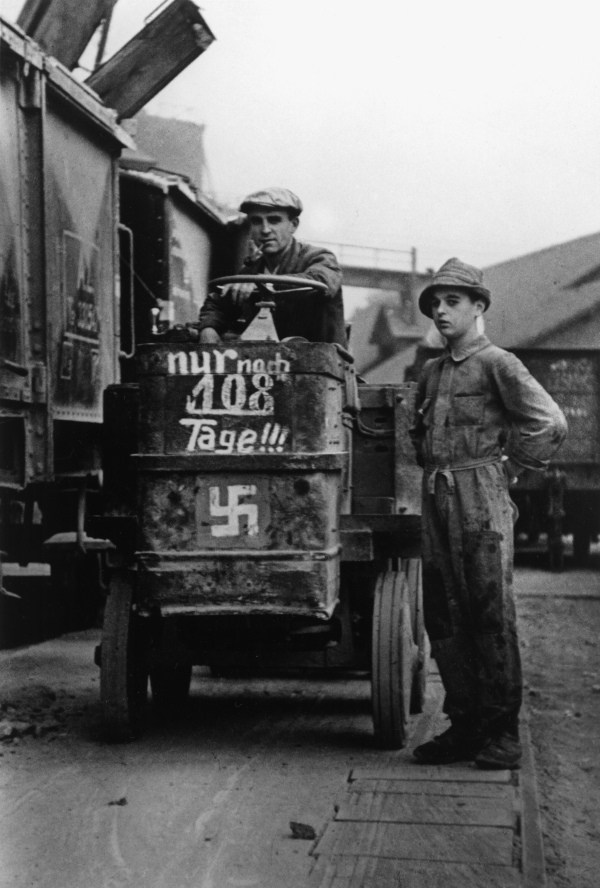
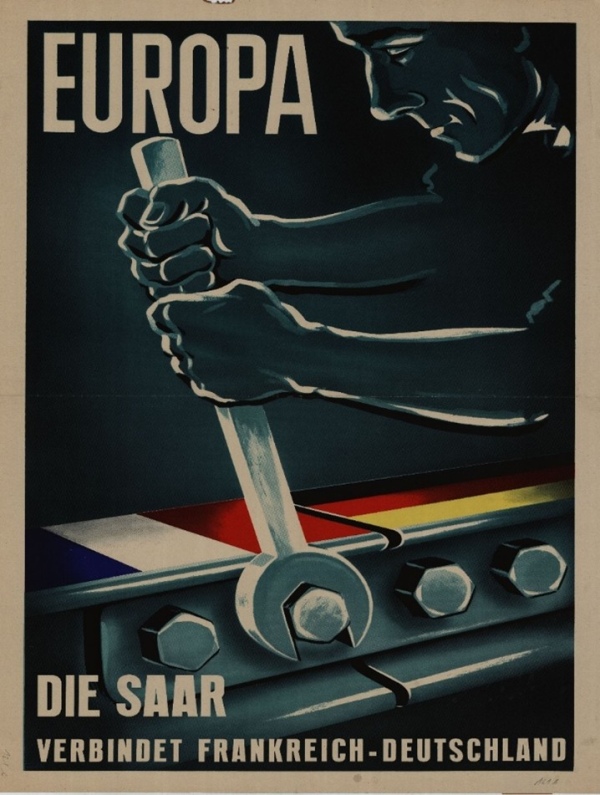
Robert Capa's photograph shows a traction engine with a swastika in the Völklinger ironworks ahead of the 1935 vote – the foundry became a reality of the Schuman Plan under French leadership in the early 1950s.
The exhibition offers new research findings on all these topics and turning points in history, for example on the interdependence of heavy industry and Art Nouveau in the German Empire and throughout Europe. It brings together material from numerous archives and collections that was previously inaccessible and widely scattered, in all media formats (photographs, texts, films and audio documents), and presents it in a modern way – in dialogue with the collection of the World Heritage Site Völklinger Hütte, as well as with selected literary texts, artworks and space installations by modern and contemporary artists.

The objective is to place particular emphasis on areas of research that have been neglected in historical analysis to date, such as the social history of the ironworks – with its generations of working-class families and their everyday lives, their labour struggles – as well as the global history of the worldwide networks of material and product flows associated with the ironworks.

Whether it is the presence of Italian and Turkish migrants or the latent sexism in the promotional photographs of the Röchling Iron and Steel Works in the 1960s, the exhibition always focuses on the people and the significant traces they have left in and around the ironworks.

The exhibition will be realised using the full range of multimedia resources at its disposal: music and film are just as much a part of it as original documents and photographic projections, as well as models and plans, which – in the spirit of sustainability – will subsequently enhance the visitor experience at the Völklinger Hütte World Cultural Heritage Site in other locations. Furthermore, all the findings arising from the exhibition will be published in both print and digital formats in three languages (German, English and French).

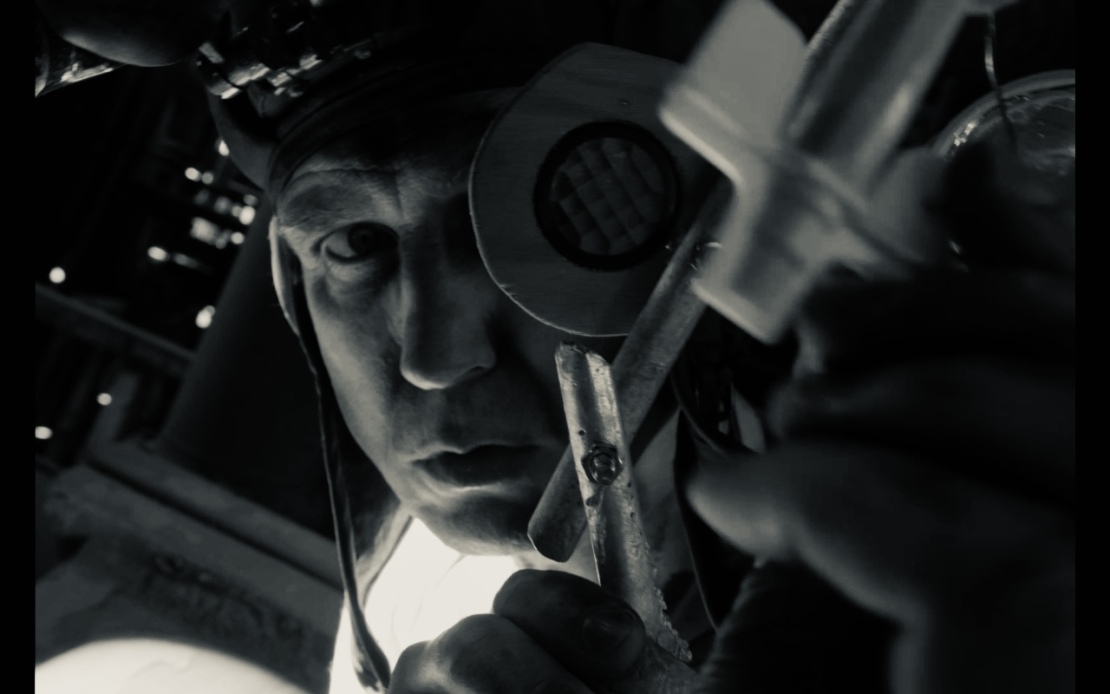
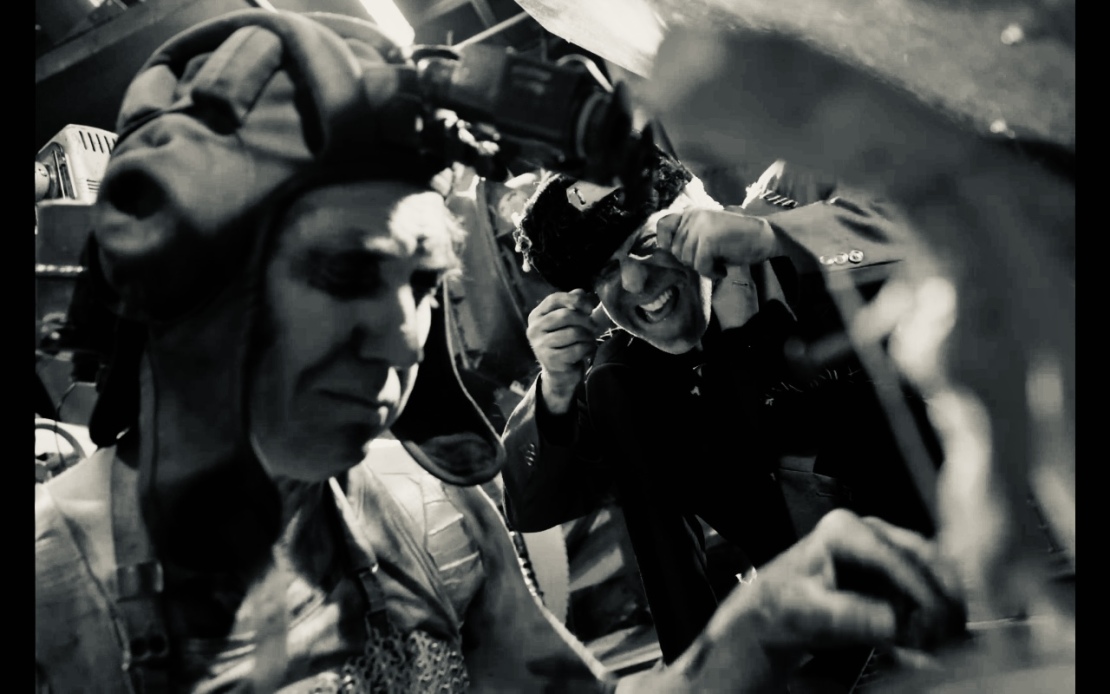
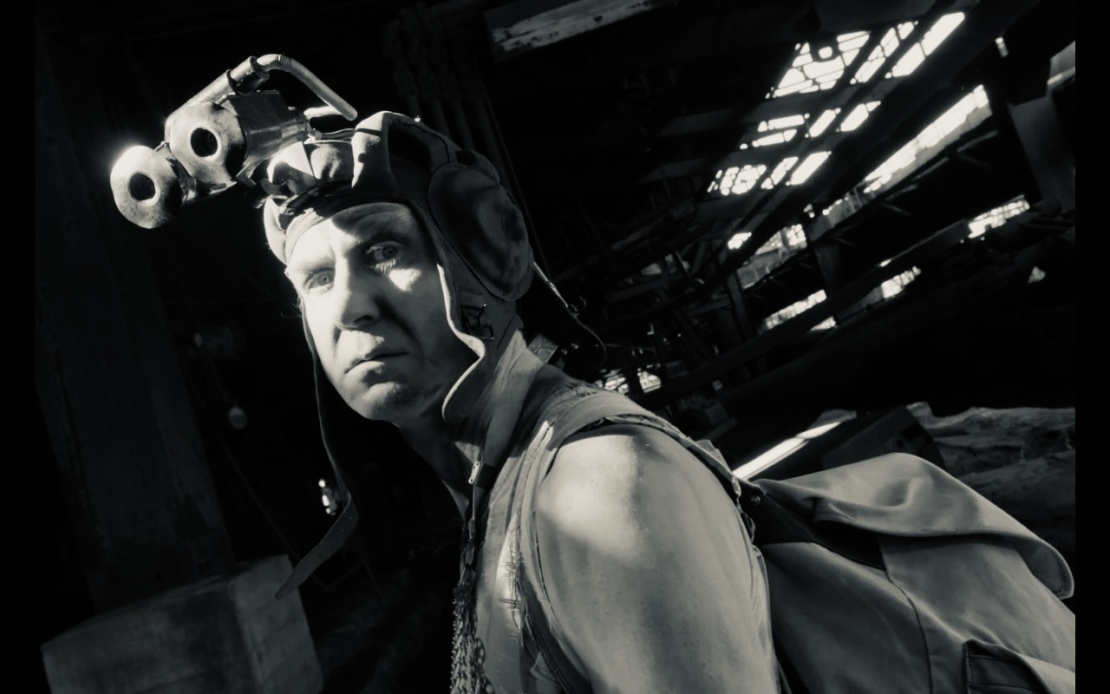
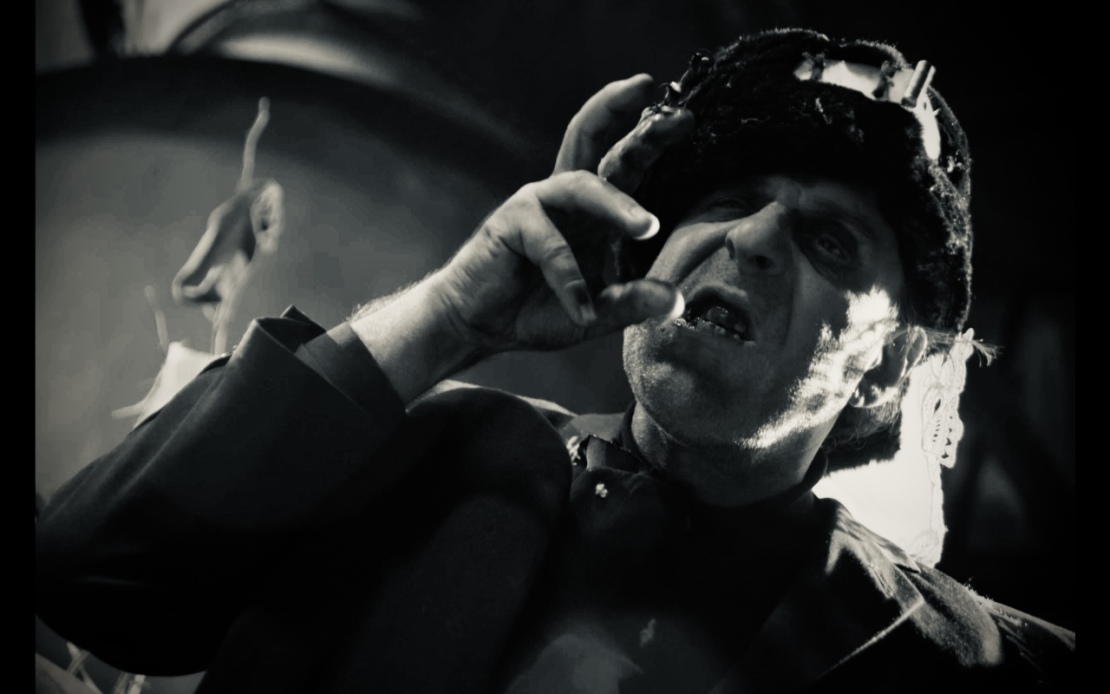
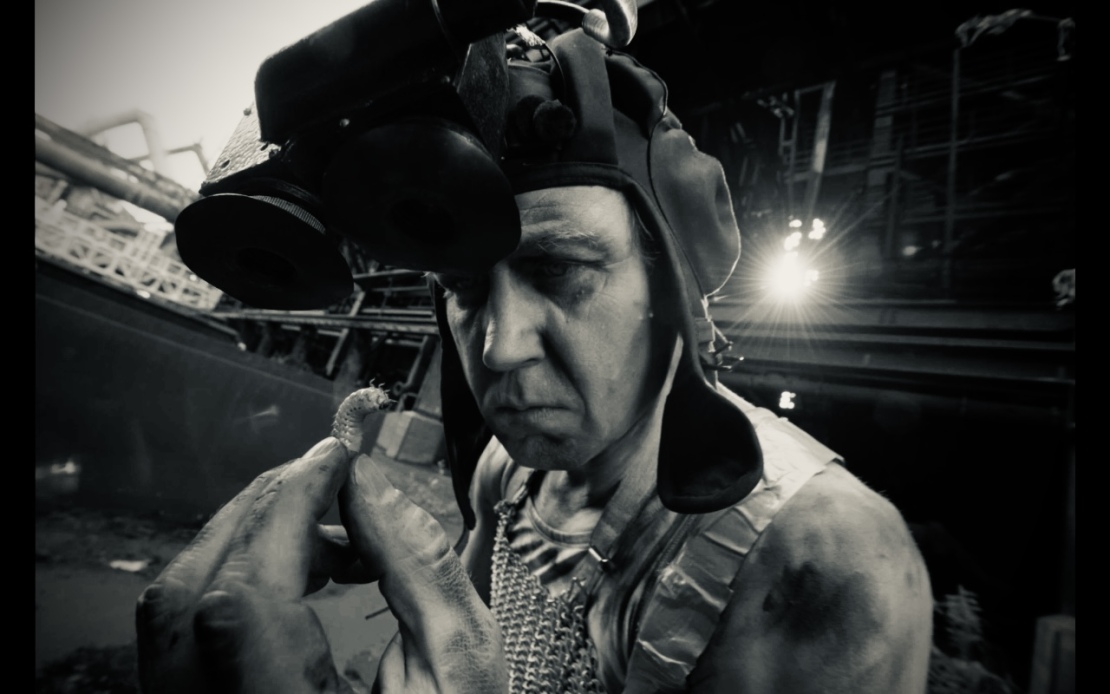
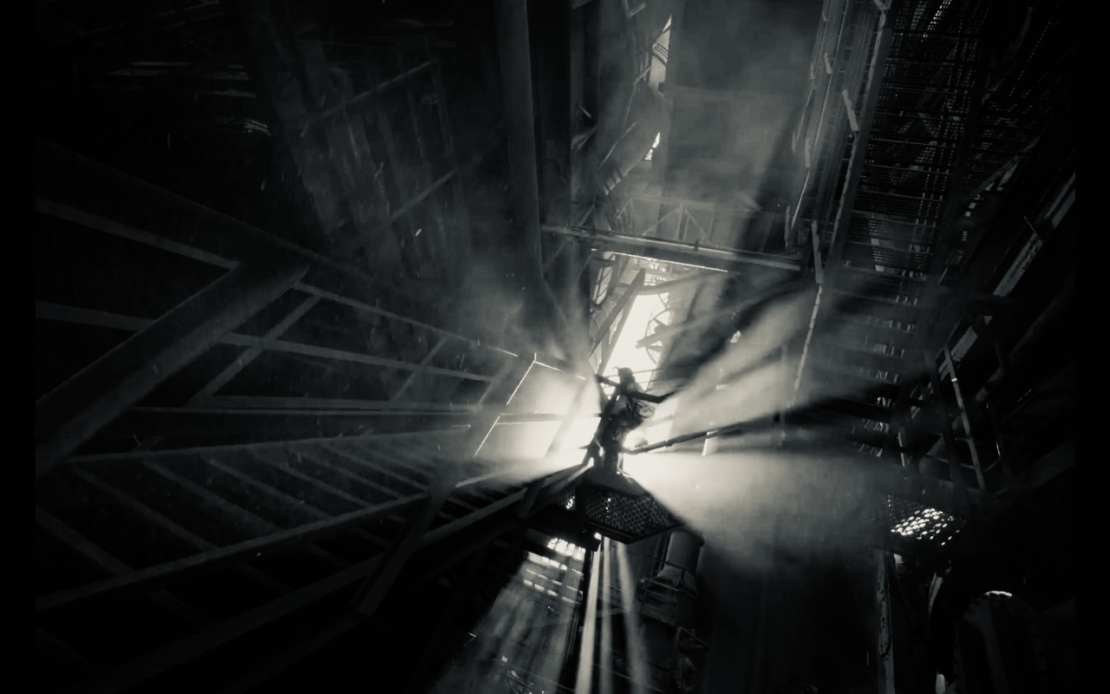
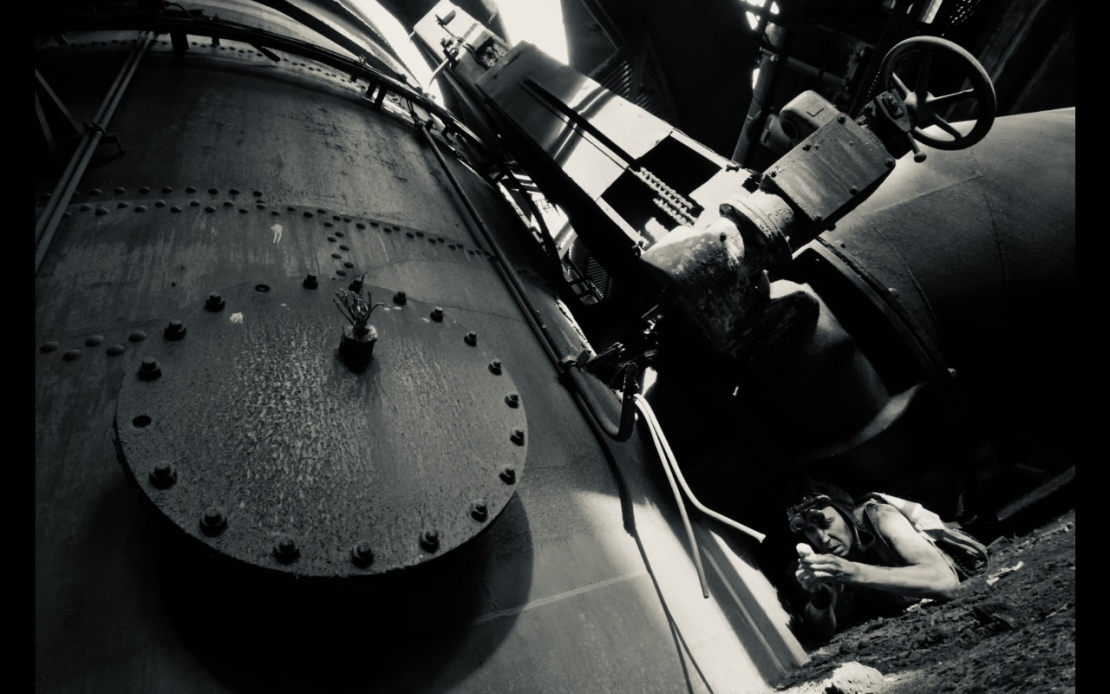
Whether through the recording of Bertolt Brecht and Hanns Eisler’s Saarlied ‘Der 13. Januar’ or Peter William Holden’s 2012 multimedia installation ‘Vicious Circle’, the exhibition will present a different, new and significantly expanded history of the Völklinger Hütte in a way that is as sensory and surprising as it is multi-perspective – viewed from today’s perspective, the history and stories surrounding the ironworks and its people are critically examined and contextualised: using current knowledge and illuminating artistic interventions.
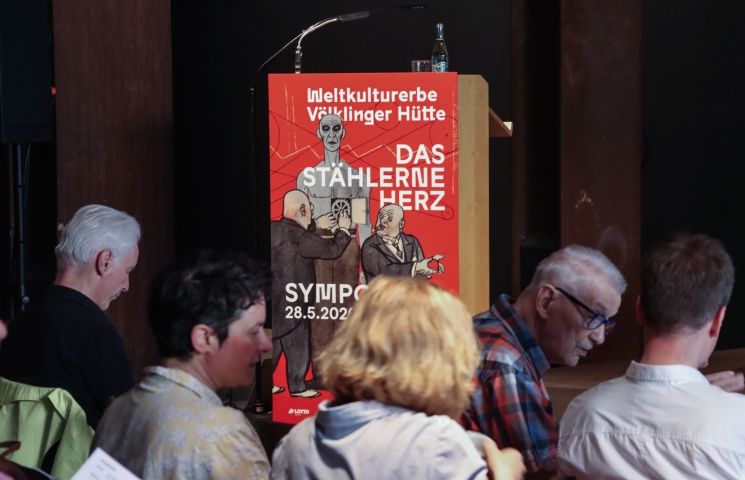
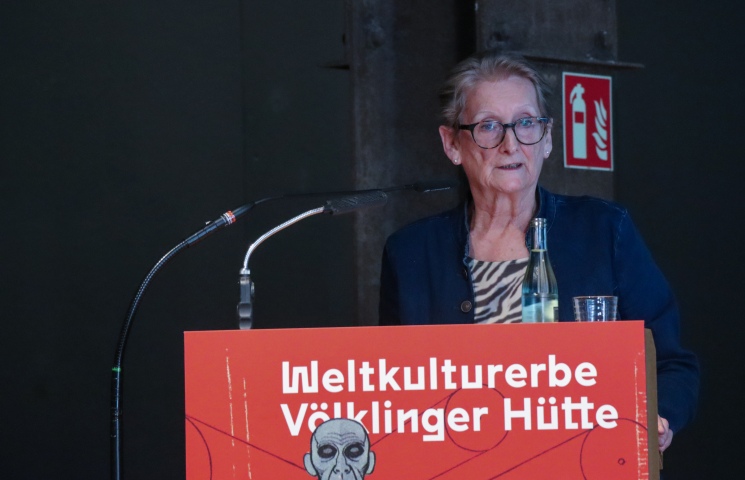
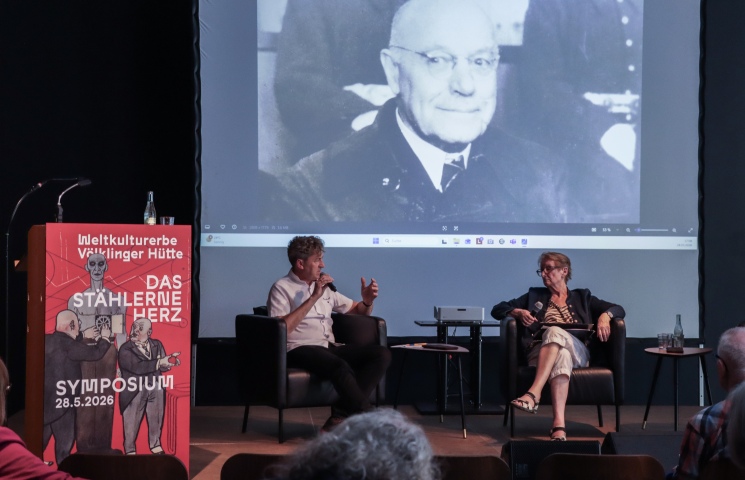
Symposium: HEART OF STEEL
Thursday, 28 May 2026, 9.30 am to 6 pm
Ore shed, World Heritage Site Völklinger Hütte
Admission is free
The history of the Völklinger ironworks is emblematic of the history of Germany and Europe. The 19th and 20th centuries, in a sense, tell their own story through the specific events that took place in and around the steel and ironworks. With this in mind, the major exhibition HEART OF STEEL will open on November first 2026 at the World Heritage Site Völklinger Hütte: Objects, photographs and documents relating to world and industrial history enter into a creative dialogue with literary texts, musical pieces and works of art, as well as spatial installations by modern and contemporary artists. People are made visible through their interaction with the huge machine.

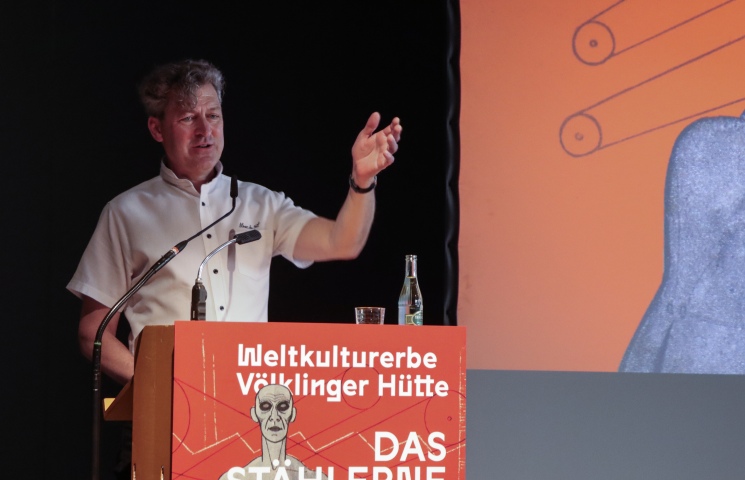
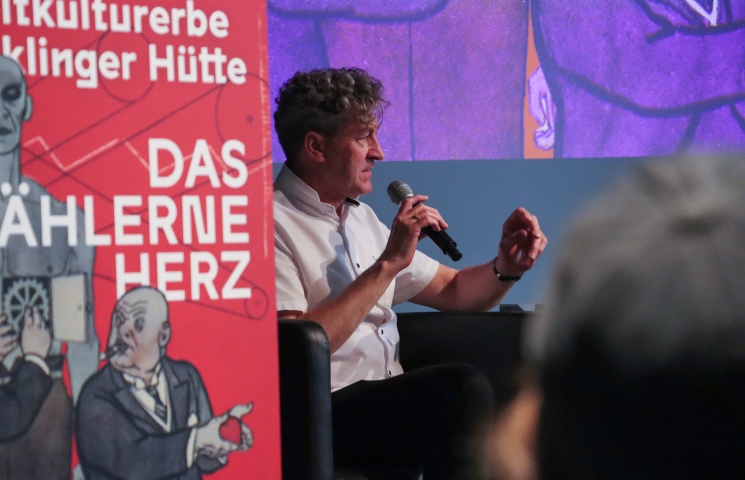
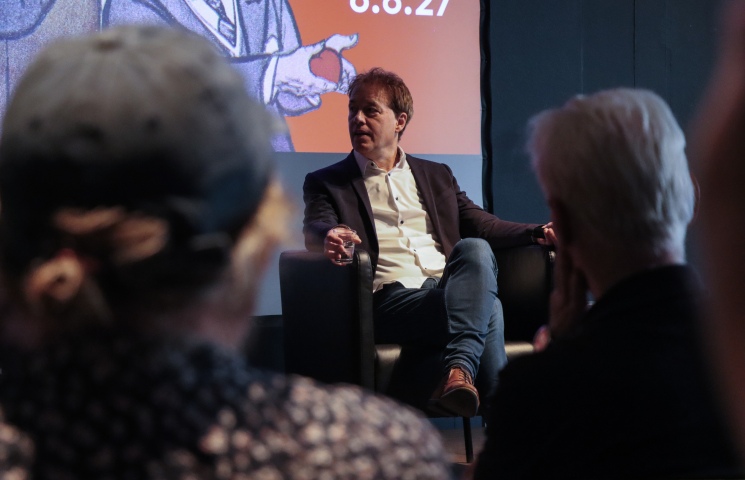
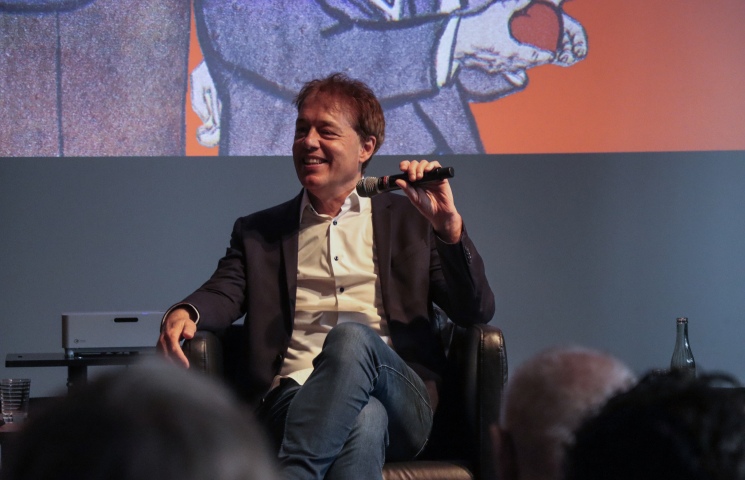
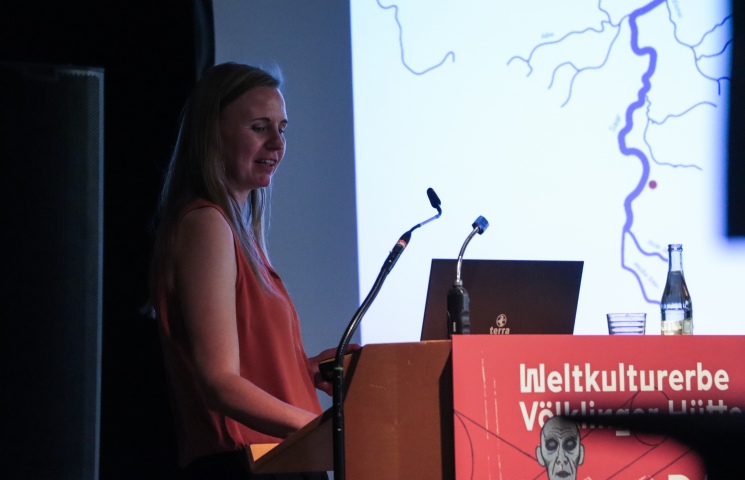
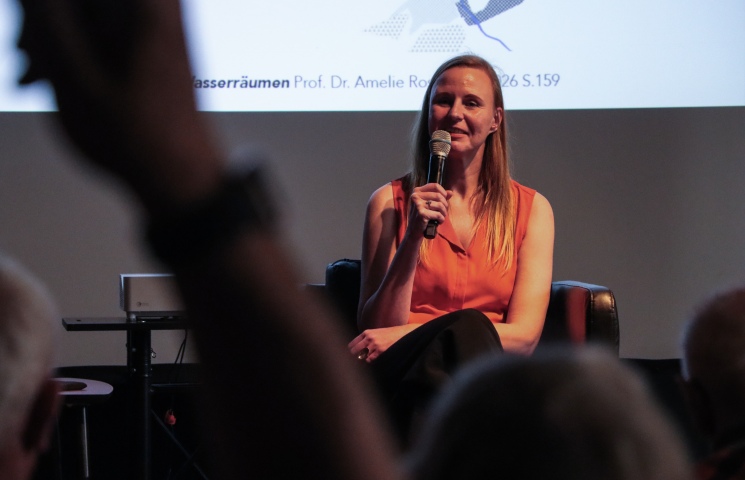
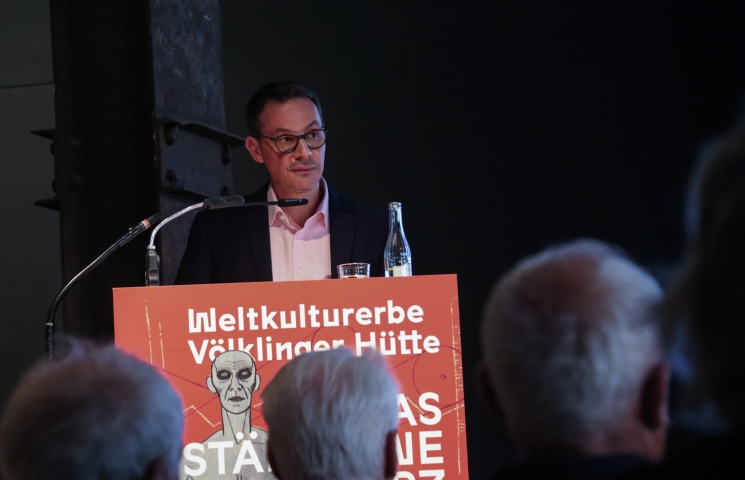
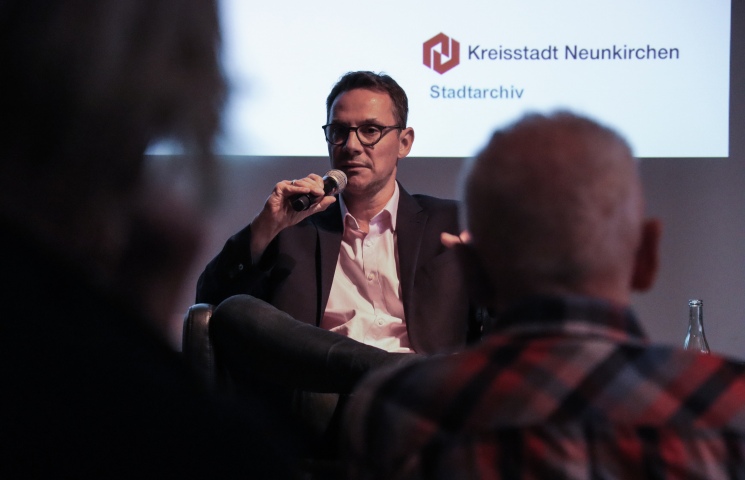
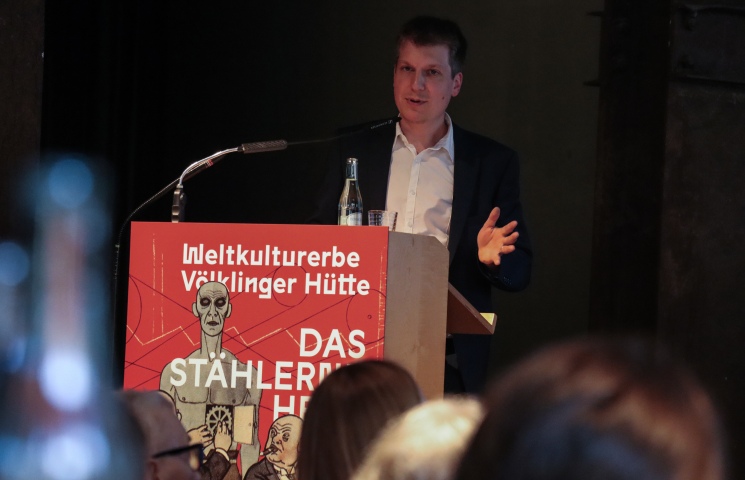
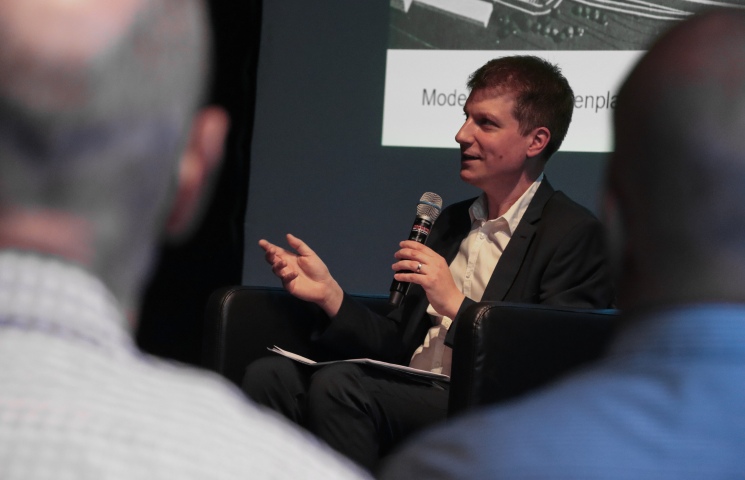
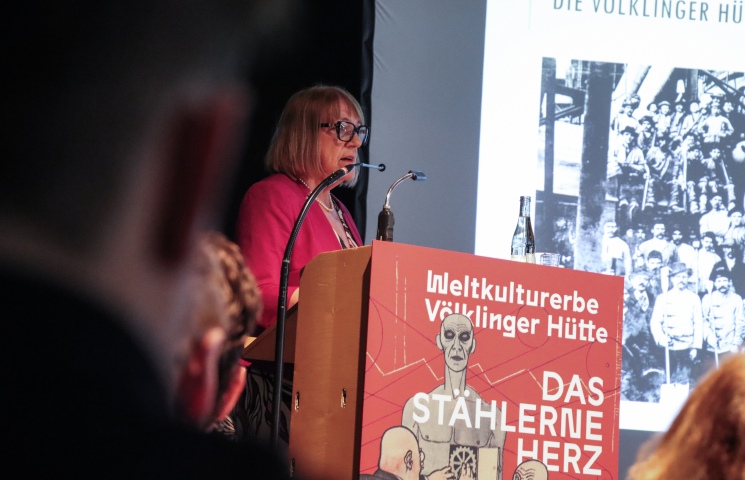
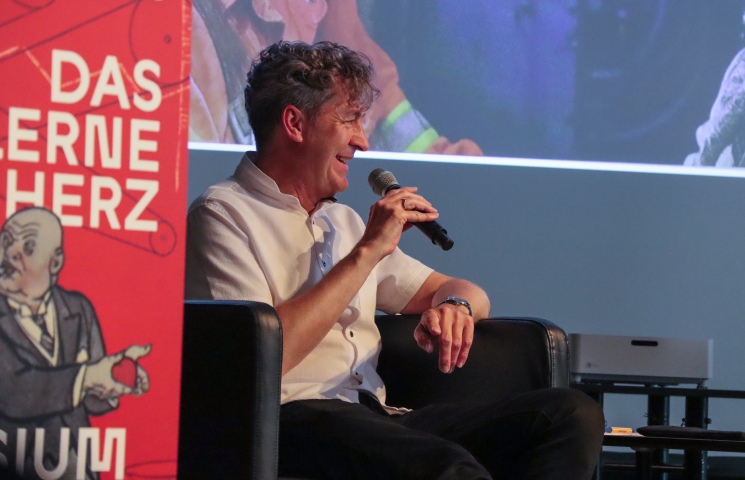
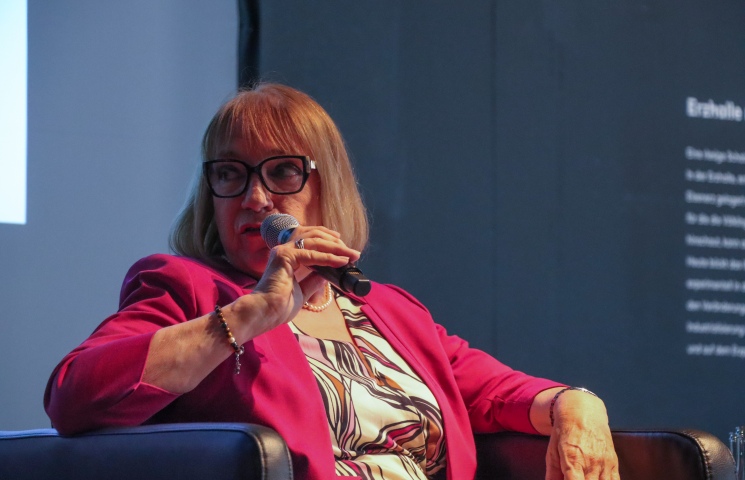
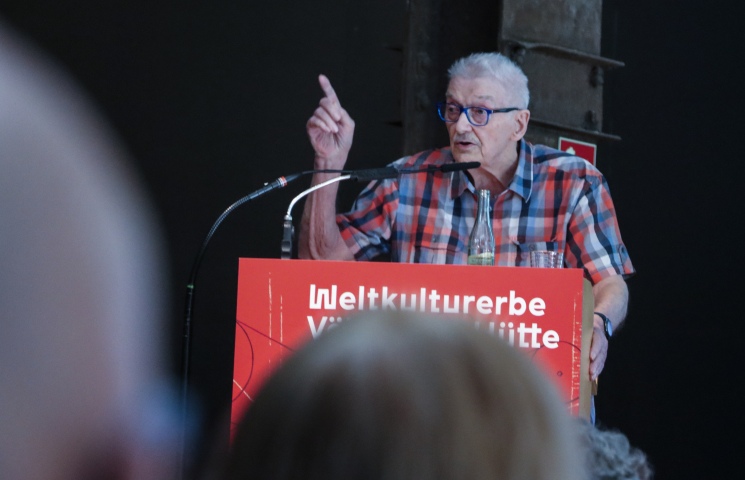
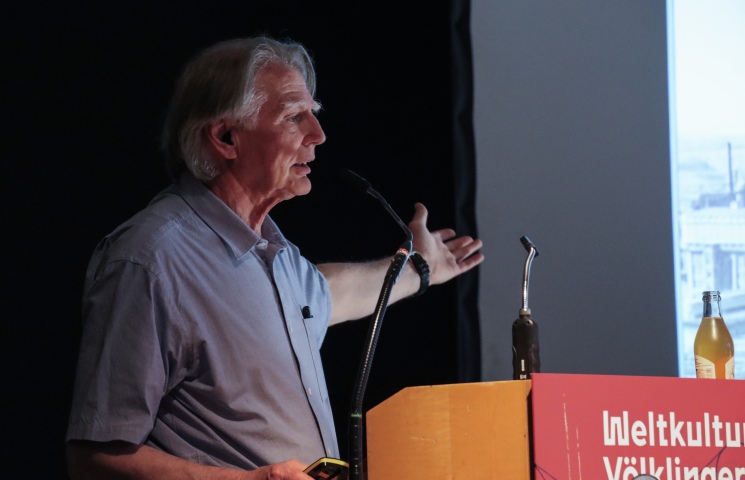
Prior to the major exhibition HEART OF STEEL – Germany and Europe seen through the burning glass of Völklingen Ironworks, a full-day symposium will be held on Thursday 28 May in the ore shed of the World Heritage Site, exploring a wide range of aspects of global and industrial history.
Harvard professor Sven Beckert is travelling to the Saarland especially for the occasion to explain the structures of capitalism using the Völklinger Hütte as an example. In his recently published book CAPITALISM, which some reviewers are already hailing as a standard work, the Völklinger Iron and Steel Works plays a key role. For him, it is the quintessential paradigm of monopoly capitalism in Europe.
The programme also features established experts on the history of the Völklingen Ironworks. Christian Reuther, the former city archivist of Völklingen, and the current city archivist, Michael Röhrig, will give talks, as will Inge Plettenberg, who has already dedicated several publications to the Völklingen Ironworks and, in particular, to the dark chapter of forced labour. Hubert Kesternich has also published several volumes on the history of the ironworks, focusing on his specialist subject of the labour movement and industrial disputes in Völklingen. Norbert Mendgen, the former head of building and monument conservation in Saarland, will explain how the closed ironworks became a UNESCO World Heritage Site during the “short decade” from 1986 to 1994. Talks on the significance of the Saar as an economic region and on the work of women in the former iron and steelworks round off the programme.

"The symposium will lay the groundwork for the first extensive examination of the Völklinger Hütte in regional, national, and global contexts. The exhibition will go beyond the scope of the symposium, by addressing topics such as environmental pollution and its consequences for plants, animals and people, as well as the reality of so-called guest worker migration,” said Ralf Beil, Director General and Curator of the major exhibition HEART OF STEEL.